
 Contacto
 Como comprar
Entrega
Guia de compras
Belonging on Both Shores
 Inglês
 180 b
180 b
Até 30 dias para devoluções
Os clientes também compraram

 /
/
 Capa mole
 12.60
€
12.60
€




 /
Livro de capa dura
29.66
€
/
Livro de capa dura
29.66
€


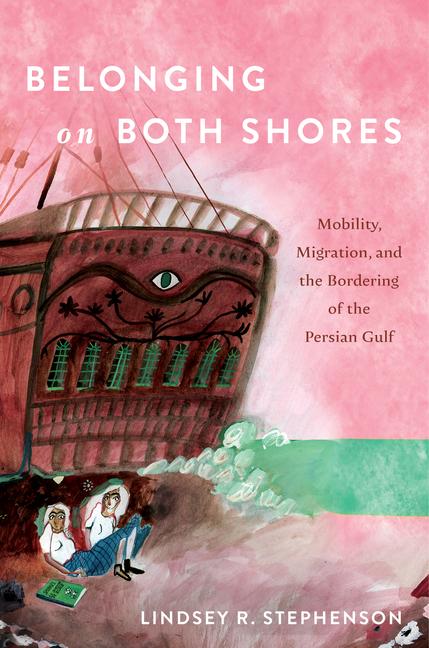
For most of their history, the people around the Persian Gulf littoral were socially intertwined and economically interdependent. But the twentieth century ushered in nationalization projects, British imperial intervention, and border regulations, all of which posed challenges to everyday mobility in this oceanic world. Those crossing the water became the primary foil for bordering spaces, restricting and regulating movement, and defining difference more generally. Belonging on Both Shores tells the story of people's struggles to move freely between Iran and the Arab shores of the Gulf as the unregulated mobility that had characterized everyday life in the nineteenth century was increasingly policed in the twentieth.
Using a wide range of Arabic, Persian, and English sources, Lindsey Stephenson demonstrates how state officials refined notions of territorial belonging against the movement of Iranians, the most visible mobile "group" in the Persian Gulf arena. Engaging migrant voices, Stephenson narrates how Iranians challenged a perceived requirement to belong to a single place and highlights the techniques these migrants employed to remain connected to both shores. Tracing the movement of Iranians across and around the Persian Gulf and investigating how the technologies of state and mobility transformed fluidity and people's understanding of movement, this book tells a new story of how the modern Gulf was formed.


Sobre o livro
Inglês
Categorias

Ofereça este livro hoje
É fácil
1 Adicione ao carrinho e escolha Entregar como presente ao finalizar a compra 2 Receberá um vale 3 O livro chegará ao endereço do destinatárioTambém pode estar interessado em



Olá! Sou o Libroamiko, o seu conselheiro de livros.
Como posso ajudar?