
 Contacto
 Como comprar
Entrega
Guia de compras
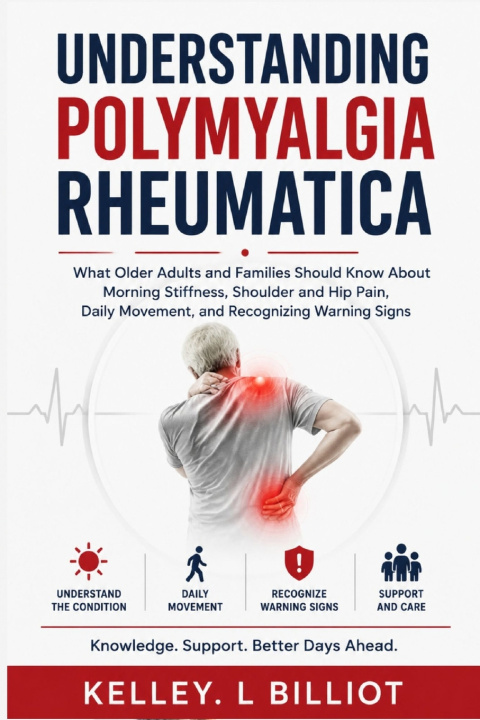
UNDERSTANDING POLYMYALGIA RHEUMATICA
What Older Adults and Families Should Know About Morning Stiffness, Shoulder and Hip Pain, Daily Movement, and Recognizing Warning Signs
 Inglês
 32 b
32 b
 Novo
Novo
Até 30 dias para devoluções

A diagnosis of polymyalgia rheumatica can bring relief from uncertainty, but it can also raise many new questions: What is happening inside the body? Will the pain improve? How does steroid treatment work? What symptoms should be taken seriously?
Understanding Polymyalgia Rheumatica: What Older Adults and Families Should Know About Morning Stiffness, Shoulder and Hip Pain, Steroid Treatment, Relapse Risk, Daily Movement, and Recognizing Warning Signs by Kelley L. Billiot is a practical, patient-focused guide created to help older adults, caregivers, and families understand PMR, navigate treatment decisions, and approach recovery with greater confidence.
Polymyalgia rheumatica (PMR) is an inflammatory condition that commonly causes severe morning stiffness, shoulder and hip pain, and difficulty with everyday movements. It often affects adults over fifty and can significantly impact independence, mobility, and quality of life.
This book explains PMR in clear language while providing practical guidance for the challenges that come after diagnosis.
Inside, you will discover:
• What polymyalgia rheumatica is and what happens inside the body
• Why PMR causes intense morning stiffness, shoulder pain, hip pain, and movement difficulties
• How doctors diagnose PMR using symptoms, blood tests, imaging, and treatment response
• Why there is no single test that confirms PMR and how doctors reach an accurate diagnosis
• How to distinguish PMR symptoms from normal aging, arthritis, and other conditions
• The important connection between PMR and giant cell arteritis (GCA)
• Warning signs of giant cell arteritis that require urgent medical attention, including new headaches, vision changes, scalp tenderness, and jaw pain while chewing
• How corticosteroids such as prednisone work and why they are the cornerstone of PMR treatment
• What to expect during the first days and weeks after starting treatment
• How steroid tapering works and why reducing medication too quickly can create problems
• How to recognize relapse and communicate changes effectively with your healthcare team
• Ways to manage steroid side effects and protect long-term health
• The role of exercise, daily movement, and maintaining independence during treatment
• Nutrition strategies for bone health and managing steroid-related risks
• How to prepare for rheumatology appointments and ask better questions
• How family members can provide meaningful support
• Practical approaches for travel, work, safety, emotional wellbeing, and long-term monitoring
This guide follows the complete PMR journey, from understanding the diagnosis and inflammation process to managing steroid treatment, recognizing warning signs, maintaining mobility, protecting bone health, and planning for long-term wellbeing.
Unlike conditions that require lifelong treatment, PMR is often a condition with a defined treatment period, and many people eventually return to their previous level of activity and independence with appropriate care and monitoring.
Whether you are newly diagnosed, several months into treatment, supporting an aging parent, or trying to understand why a loved one's mobility has suddenly changed, Understanding Polymyalgia Rheumatica provides a structured roadmap for moving from confusion to informed confidence.
Understand your diagnosis. Recognize important warning signs. Manage treatment wisely. Protect your mobility. And move forward with greater clarity and confidence.


Sobre o livro
Inglês
