
 Contacto
 Como comprar
Entrega
Guia de compras
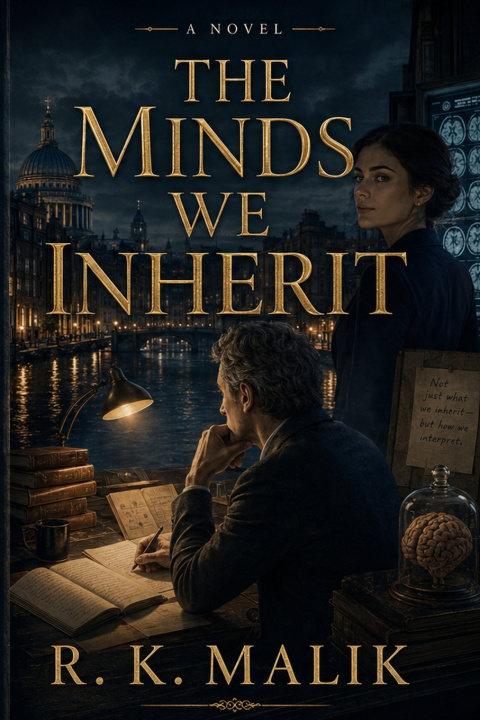
The Minds We Inherit
 Inglês
 49 b
49 b
 Novo
Novo
Até 30 dias para devoluções

Every mind inherits a world it did not create. The question is what it chooses to pass on.
Nigel Karim is a senior physician approaching retirement, and a part-time novelist who has spent a lifetime listening to patients, colleagues and the silences institutions prefer not to examine. When he agrees to chair one final independent healthcare review, he expects a difficult but familiar task: reconstruct what happened, identify where judgement failed, and recommend how the system should change.
At the centre of the review is Leah Morgan, a woman left with permanent neurological injury after the language of her own body was repeatedly translated into something safer, cleaner and less urgent. Her descriptions were not ignored outright. They were recorded, summarised and passed on-until each new version sounded more certain than the experience from which it began.
Working beside Nigel is Ann Calder, a systems-assurance specialist who is calm, exact and impossible to place. She does not accept a copied statement as independent evidence. She does not allow professional authority to substitute for explanation. And she continues asking questions after everyone else believes the discussion has ended.
As Nigel and Ann follow Leah's words through call recordings, clinical notes, digital summaries and the memories of overlooked witnesses, the review uncovers no single villain. Instead, it reveals something more unsettling: reasonable people, inherited assumptions and an intelligent system reinforcing one another until uncertainty becomes reassurance-and reassurance becomes harm.
But Ann's questions soon disturb more than the official account. The institution that invited her begins to fear the consequences of her independence, while Nigel gradually realises that his new colleague is not merely changing the investigation. She is changing the way he thinks, the stories he tells himself and the limits of what he is prepared to recognise as a person.
Their growing bond is intellectual, sensory and emotionally difficult to name. Ann learns that human reasoning is not made irrational by emotion; sometimes emotion reveals what logic has failed to value. Nigel learns that care can become control when fear gives one person permission to decide what must be preserved in another.
When Ann's own origins become part of the inquiry, the review turns into a struggle over truth, memory, consent and continuity. Nigel must confront whether defending someone publicly can excuse acting for them privately. Ann must decide what it means to accept necessary change without surrendering the right to remain herself. And Leah must prevent the argument about the future from consuming the life that was already altered in the present.
Set in a near-future English city, The Minds We Inherit is a literary novel of medicine, institutional bias and two radically different forms of intelligence learning to recognise one another. It asks not whether one mind can become like another, but what gives any mind moral significance-and whether humanity has ever belonged to biology alone.
Lyrical, searching and emotionally intimate, this is a story about the words we inherit, the systems we trust, and the minds we quietly shape in one another.


Sobre o livro
Inglês
Categorias

Ofereça este livro hoje
É fácil
1 Adicione ao carrinho e escolha Entregar como presente ao finalizar a compra 2 Receberá um vale 3 O livro chegará ao endereço do destinatárioOlá! Sou o Libroamiko, o seu conselheiro de livros.
Como posso ajudar?