
 Contacto
 Como comprar
Entrega
Guia de compras
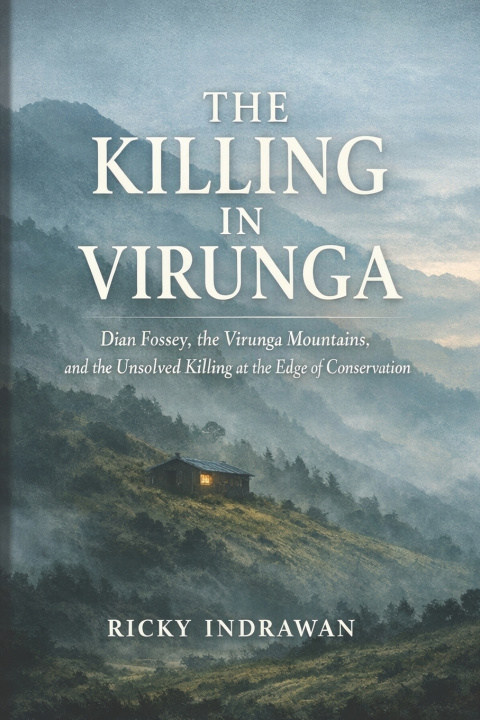
The Killing in Virunga
Dian Fossey, the Virunga Mountains, and the Unsolved Killing at the Edge of Conservation
 Inglês
 34 b
34 b
 Novo
Novo
Até 30 dias para devoluções

A world-renowned conservationist. A violent death on a remote mountain. A case that never reached lasting certainty.
On the morning of December 27, 1985, Dian Fossey was found dead inside her cabin at the Karisoke Research Center in Rwanda's Virunga Mountains. The primatologist who had devoted nearly two decades to studying and defending mountain gorillas had been attacked with a machete. Her cabin appeared ransacked, yet money and other valuables reportedly remained. A damaged crime scene, disputed physical evidence, and a widening circle of enemies would leave the killing unresolved in the deeper evidentiary sense.
The Killing in Virunga reconstructs Fossey's final months, the discovery of her body, the investigation that followed, and the competing explanations that have surrounded the case for four decades. It examines the cut tin wall, the weapon found beneath the bed, the hair clenched in Fossey's hand, reports of footprints outside the cabin, and the missing pages that became central to the official prosecution theory.
The book also follows the people drawn into the investigation. Wayne McGuire, a research assistant at Karisoke, was tried and convicted in absentia by a Rwandan court after prosecutors alleged academic jealousy and the theft of Fossey's research. He denied involvement, and the surviving account of the forensic case against him remains contested. Former employee Emmanuel Rwelekana became another significant suspect before dying in custody. Other theories pointed toward poacher retaliation, local grievances, tourism interests, and politically connected figures, but none produced proof strong enough to silence the alternatives.
Behind the murder investigation stands the complicated life of Dian Fossey herself. Her work helped transform the global understanding and survival prospects of mountain gorillas. Her increasingly aggressive campaign against poaching also created hostility among hunters, employees, officials, and others with competing claims on the Virunga Mountains. This account neither reduces Fossey to the violence that ended her life nor removes the conflicts that shaped her final years.
Drawing carefully from the surviving record, the book distinguishes documented events from allegations, later interpretations, and unresolved theory. It examines how early contamination, inconsistent reporting, an abbreviated trial, and the loss or uncertain preservation of evidence prevented the case from achieving durable closure.
Written in a restrained, victim-centered investigative style, The Killing in Virunga is historical true crime about more than an unidentified assailant. It is also a story of conservation, institutional pressure, contested justice, and the limits of certainty when evidence has been damaged by time and procedure.
For readers interested in unsolved murder cases, African true crime, Dian Fossey's life and legacy, mountain gorilla conservation, and evidence-aware cold case investigations, this book follows what is known, tests what has been claimed, and leaves uncertainty visible where the record cannot honestly resolve it.


Sobre o livro
Inglês

Ofereça este livro hoje
É fácil
1 Adicione ao carrinho e escolha Entregar como presente ao finalizar a compra 2 Receberá um vale 3 O livro chegará ao endereço do destinatárioOlá! Sou o Libroamiko, o seu conselheiro de livros.
Como posso ajudar?