
 Contacto
 Como comprar

Entrega
Guia de compras
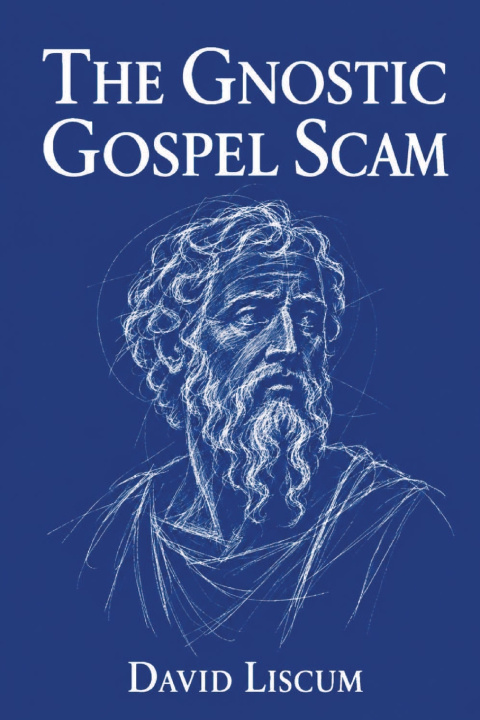
The Gnostic Gospel Scam
 Inglês
 30 b
 Novo
Até 30 dias para devoluções

The Gnostic Gospel Scam exposes the truth behind the so-called "lost gospels" that critics claim the church hid from the world.
For years, people have been told that the Gospel of Thomas, the Gospel of Judas, the Gospel of Philip, and other Gnostic writings reveal the real Jesus-a mystical teacher whose message was suppressed by powerful church leaders. The story is constantly repeated through documentaries, viral videos, podcasts, novels, and social-media influencers: the church chose four Gospels, buried the rest, and kept Christianity's greatest secret from the public.
But is that history, or is it a sales pitch?
In The Gnostic Gospel Scam, David Liscum takes readers beyond the clickbait claims of "forbidden books," "hidden Christianity," and "what the church never told you." With direct, hard-hitting analysis, he examines the historical problems, theological contradictions, and blatant anachronisms inside these texts. The names on the covers may be Thomas, Judas, Philip, Mary, Peter, or James, but a title is not evidence. The question is whether these books can actually be traced to the apostles whose names they borrow.
The evidence tells a very different story. These writings emerged generations after the apostles and reflect a world shaped by Greek philosophy, Hermetic religion, secret-knowledge systems, and later Gnostic speculation. They put ideas, rituals, language, and theology from later centuries into first-century settings. They turn Judas into a hero, portray the apostles as fools, recast the Creator as an ignorant lesser god, and replace the public Gospel of Christ with secret knowledge for a spiritual elite.
Liscum examines the claims surrounding Thomas, Judas, Philip, Mary, and other Gnostic texts. He addresses the claim that the early church "suppressed" these writings, explains what the early church fathers actually said about them, and exposes the difference between historical apostolic testimony and religious fiction written under borrowed names. He also confronts the modern influencers and clickbait preachers who confidently sell ancient counterfeits without doing the historical work required to support their claims.
The Gnostic Gospel Scam argues that these books are not suppressed eyewitness accounts. They are religious counterfeits-late writings that borrow apostolic names to promote another god, another Christ, another salvation, and another gospel.
The real Gospel was never hidden in secret codes, Egyptian sand, or elite spiritual societies. It was preached publicly by eyewitnesses, centered on the crucified and risen Jesus Christ, preserved in the apostolic Scriptures, and proclaimed openly to the world.
This is a call to reject counterfeit Christianity, test every claim, and return to the public Gospel once delivered to the saints


Sobre o livro
Inglês

Ofereça este livro hoje
É fácil
1 Adicione ao carrinho e escolha Entregar como presente ao finalizar a compra 2 Receberá um vale 3 O livro chegará ao endereço do destinatárioOlá! Sou o Libroamiko, o seu conselheiro de livros.
Como posso ajudar?