
 Contacto
 Como comprar
Entrega
Guia de compras
 Inglês
 36 b
36 b
 Novo
Novo
Até 30 dias para devoluções

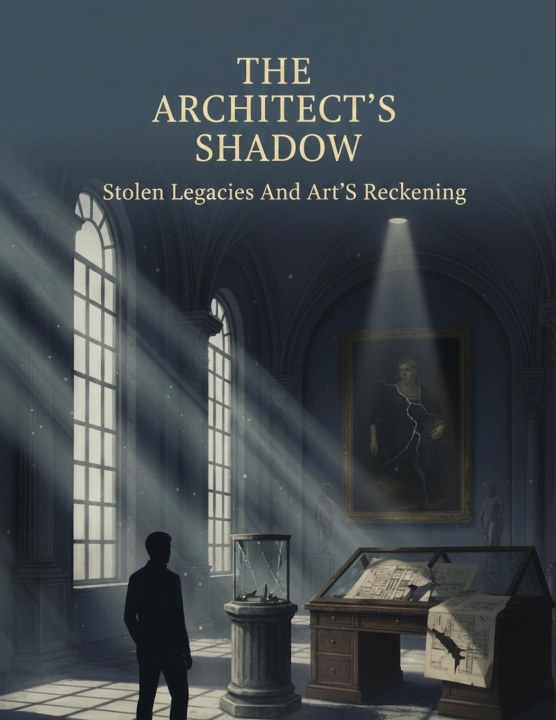
In The Architect'S Shadow: Stolen Legacies And Art'S Reckoning, delve into the chilling origins of one of history's most systematic acts of cultural plunder. This meticulously researched book unearths the legal and administrative foundations laid by the Nazi regime, beginning with the pivotal Nuremberg Laws of 1935. It reveals how abstract racial ideology was meticulously transmuted into codified law, creating an apparatus of control designed not only for persecution and dispossession but specifically for the systematic seizure of vast quantities of art. Far from spontaneous acts, the theft of cultural heritage was a calculated, state-sanctioned mechanism, a declaration of war on human rights and justice that left an indelible scar on history.
The narrative meticulously traces this descent, from the initial exclusion of Jews from public life to the full-scale 'Art of Seizure,' where bureaucracy became a weapon to strip individuals of their cultural identity. Explore the shadowy world of 'The Dealers' Gambit,' uncovering figures like Greta von Lundsdorf and the rise of illicit markets that profited from stolen masterpieces. Witness 'The Paper Chase' through the eyes of Agnes Zanger, revealing the meticulous art of erasure employed to hide provenance. The book exposes the network of 'Aryan Galleries' that facilitated the resale of these 'Stolen Legacies,' and the heartbreaking reality of 'The Ghost in the Files,' where bureaucratic actions erased artist identities alongside their works.
Beyond the initial theft, The Architect'S Shadow confronts the complex aftermath, detailing 'Rebuilding and Ruin' in post-war Germany and the 'Logistical Labyrinth' of art restitution. It grapples with 'The Weight of War' - the profound emotional toll and displacement endured by victims, and the persistent 'Unraveling of Truth' amidst deception, hidden motives, and forged realities. The book underscores the critical role of 'The Anchor of Paper,' showcasing documentation as a reliable means to reclaim what was lost, while also exploring the personal dramas of 'Love, Duty, and Betrayal' and the lasting stain of complicity exemplified by figures like Thomas Klein. The journey culminates with 'The Anastasis Gallery,' symbolizing resurrection and the enduring pursuit of justice.
Through this compelling narrative, readers will gain:
- A profound understanding of how systematic legal frameworks enabled mass dispossession and cultural devastation.
- Insight into the intricate web of bureaucracy, complicity, and individual actions that facilitated the largest art theft in history.
- An appreciation for the enduring struggle for justice and restitution in the wake of unimaginable crimes.
- A clear view of the critical role of documentation in preserving truth, reclaiming identity, and fighting historical erasure.
- A powerful reflection on the lasting repercussions of historical injustice and the human cost of war.


Sobre o livro
Inglês
