
 Contacto
 Como comprar
Entrega
Guia de compras
Tay-Sachs Disease
 Inglês
 47 b
47 b
 Novo
Novo
Até 30 dias para devoluções

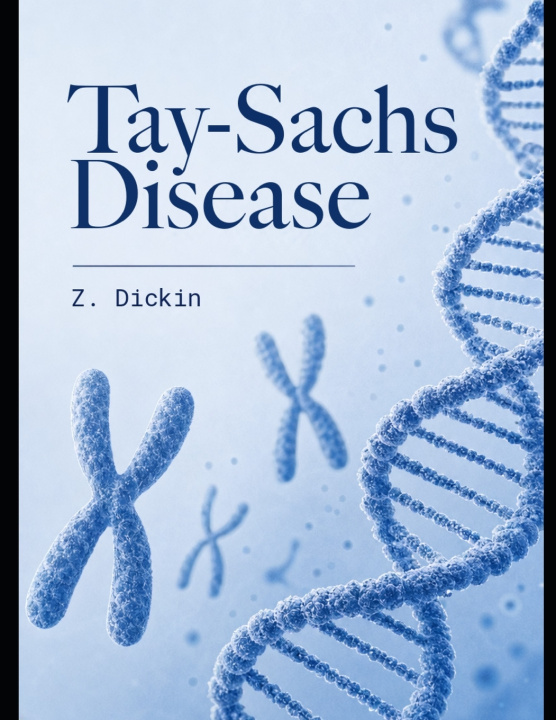
Tay-Sachs disease is a rare inherited neurological disorder that has attracted considerable attention in medicine because of its profound effects on the nervous system and its important implications for genetics, metabolism, diagnosis, family planning, and supportive care. Although it is uncommon, Tay-Sachs disease provides an important example of how a single genetic defect can disrupt cellular metabolism and ultimately produce progressive neurological disease.
This book, Tay-Sachs Disease, has been written to provide a comprehensive and accessible overview of the disorder. It brings together fundamental concepts of genetics and lysosomal biology with clinical manifestations, diagnosis, disease progression, supportive management, genetic counseling, respiratory and nutritional care, prognosis, and current research.
The book begins by explaining the biological foundations of Tay-Sachs disease, including the HEXA gene, beta-hexosaminidase A, lysosomes, and GM2 ganglioside metabolism. Understanding these mechanisms is essential for appreciating why enzyme deficiency leads to progressive accumulation of glycolipids within neurons.
Subsequent chapters examine the different clinical forms of Tay-Sachs disease. Particular attention is given to the classical infantile form, while juvenile and late-onset forms are also discussed. Because the disease can vary considerably between individuals, understanding differences in age of onset, neurological manifestations, and progression is essential.
Diagnosis is another major focus of this book. Biochemical enzyme testing, molecular genetic testing, ophthalmological findings, differential diagnosis, and genetic counseling are discussed in relation to the identification of affected individuals and carriers. The book also considers the importance of family testing and reproductive planning in families with known pathogenic HEXA variants.
Because there is currently no universally established curative treatment for Tay-Sachs disease, supportive care remains fundamental. The book therefore addresses management of seizures, feeding and swallowing difficulties, nutritional problems, respiratory complications, mobility limitations, communication difficulties, and other challenges associated with progressive neurological impairment.
An important objective of the book is to emphasize the multidisciplinary nature of care. Patients and families may require support from neurologists, geneticists, pediatricians, metabolic specialists, dietitians, physiotherapists, occupational therapists, speech-language therapists, respiratory specialists, nurses, psychologists, social workers, and palliative-care professionals.
The book also examines the emotional and social dimensions of Tay-Sachs disease. A diagnosis can have profound effects on parents, siblings, caregivers, and extended family members. Genetic counseling can help families understand inheritance patterns and reproductive risks, while psychological and social support can help them cope with the challenges associated with a progressive inherited disorder.
Another important section focuses on emerging research. Advances in molecular genetics have created new possibilities for investigating gene therapy, enzyme restoration, substrate reduction, pharmacological chaperones, RNA-based approaches, genome editing, and other potential disease-modifying strategies. Many of these approaches remain experimental, and they should not be regarded as established cures. Nevertheless, continued research provides important hope for the future.
This book is intended for students, educators, healthcare professionals, researchers, patients, caregivers, and general readers who wish to develop a better understanding of Tay-Sachs disease. The language has been designed to explain complex scientific concepts clearly while retaining the essential medical and biological information.


Sobre o livro
Inglês
