
 Contacto
 Como comprar
Entrega
Guia de compras
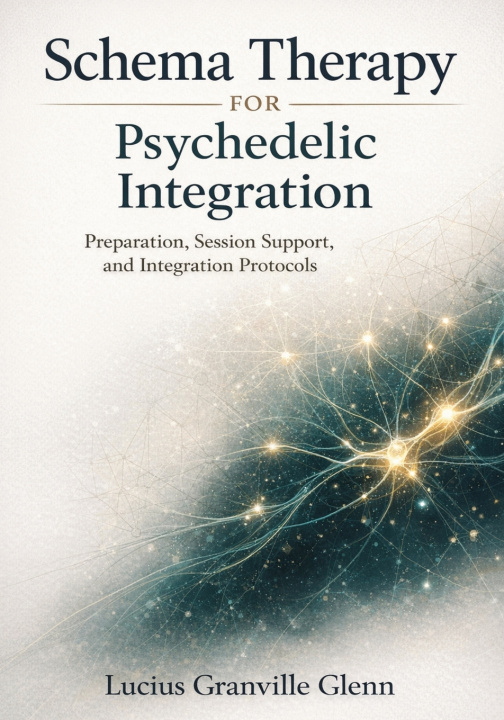
Schema Therapy for Psychedelic Integration
Preparation, Session Support, and Integration Protocols
 Inglês
 65 b
65 b
Até 30 dias para devoluções

Schema Therapy for Psychedelic Integration
Preparation, Session Support, and Integration Protocols
Schema therapy has demonstrated remarkable effectiveness for personality disorders, chronic depression, and treatment-resistant conditions through its focus on early maladaptive schemas and mode work. Psychedelic-assisted therapy has emerged as one of the most promising developments in mental health treatment, with ketamine, psilocybin, and MDMA showing unprecedented results in clinical trials. Until now, no comprehensive clinical framework has existed for combining these two powerful approaches into a unified treatment model.
This clinical manual presents the first systematic integration of schema therapy principles with psychedelic-assisted treatment protocols. Mental health practitioners will find detailed guidance on applying Young's schema model throughout the psychedelic therapy arc, from initial assessment through preparation, dosing sessions, and extended integration. The text addresses how early maladaptive schemas manifest during altered states, how schema modes can be therapeutically engaged when psychological defenses are reduced, and how the neuroplasticity window following psychedelic experiences creates optimal conditions for schema modification.
Comprehensive chapters cover the theoretical foundations of both approaches, including schema development, the mode model, psychedelic pharmacology, and mechanisms of therapeutic action. The preparation phase receives extensive attention, with protocols for schema-informed assessment, case conceptualization templates, and techniques for preparing patients with specific schema profiles. Session support chapters detail how to recognize and respond to mode activation during ketamine, psilocybin, and MDMA experiences, including specialized interventions for Vulnerable Child states, Punitive Parent interruption, and working with Detached Protector presentations.
The integration phase, often underemphasized in psychedelic therapy literature, receives thorough coverage with schema-focused processing techniques, behavioral experiment design, and protocols for translating peak experiences into lasting schema change. Separate chapters address each major compound, detailing pharmacological considerations, session adaptations, and compound-specific integration approaches. Special populations chapters provide guidance for complex trauma, personality disorders, substance use disorders, end-of-life distress, and neurodivergent individuals.
Practical resources include reproducible worksheets, assessment instruments, session checklists, clinical transcripts, and extended case examples demonstrating the approach from initial assessment through six-month follow-up. Training pathways, supervision models, documentation standards, and outcome measurement protocols support practitioners in developing competence and contributing to the evidence base.
Graduate students, licensed therapists, clinical psychologists, psychiatrists, psychiatric nurses, and other mental health professionals will find this manual provides the clinical foundation needed for schema-informed psychedelic practice as regulatory frameworks continue evolving. The text bridges the gap between schema therapy's established evidence base and the emerging field of psychedelic medicine, offering a theoretically grounded and clinically practical integration framework.


Sobre o livro
Inglês

Ofereça este livro hoje
É fácil
1 Adicione ao carrinho e escolha Entregar como presente ao finalizar a compra 2 Receberá um vale 3 O livro chegará ao endereço do destinatárioOlá! Sou o Libroamiko, o seu conselheiro de livros.
Como posso ajudar?