Contacto
 Como comprar
Entrega
Guia de compras
New Death
 Inglês
 93 b
93 b
Até 30 dias para devoluções
Os clientes também compraram

 /
/
 Livro de capa dura
 208.27
€
208.27
€










 /
Capa mole
17.09
€
/
Capa mole
17.09
€







 /
Capa mole
53.10
€
/
Capa mole
53.10
€






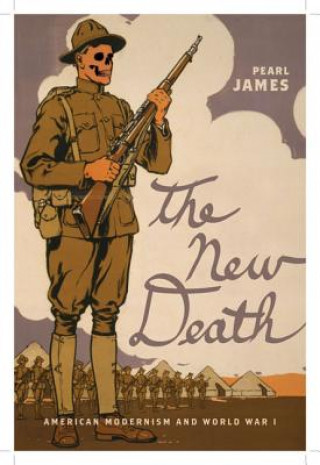
Adopting the term "new death," which was used to describe the unprecedented and horrific scale of death caused by the First World War, Pearl James uncovers several touchstones of American modernism that refer to and narrate traumatic death. The sense of paradox was pervasive: death was both sanctified and denied; notions of heroism were both essential and far-fetched; and civilians had opportunities to hear about the ugliness of death at the front but often preferred not to. By historicizing and analyzing the work of such writers as Willa Cather, Ernest Hemingway, F. Scott Fitzgerald, and William Faulkner, the author shows how their novels reveal, conceal, refigure, and aestheticize the violent death of young men in the aftermath of the war. These writers, James argues, have much to say about how the First World War changed death's cultural meaning.


Sobre o livro
Inglês

Ofereça este livro hoje
É fácil
1 Adicione ao carrinho e escolha Entregar como presente ao finalizar a compra 2 Receberá um vale 3 O livro chegará ao endereço do destinatárioTambém pode estar interessado em




 /
Livro de capa dura
151.52
€
/
Livro de capa dura
151.52
€




 /
Capa mole
10.71
€
/
Capa mole
10.71
€









 /
Capa mole
123.40
€
/
Capa mole
123.40
€

 /
Livro de capa dura
34.18
€
/
Livro de capa dura
34.18
€