
 Contacto
 Como comprar
Entrega
Guia de compras
 Inglês
 413 b
413 b
Até 30 dias para devoluções
Os clientes também compraram
 /
/
 Capa mole
 31.95
€
31.95
€



 /
Capa mole
41.28
€
/
Capa mole
41.28
€


 /
Capa mole
16.12
€
/
Capa mole
16.12
€


 /
Capa mole
37.93
€
/
Capa mole
37.93
€
 /
Capa mole
45.44
€
/
Capa mole
45.44
€
 /
Capa mole
63.90
€
/
Capa mole
63.90
€

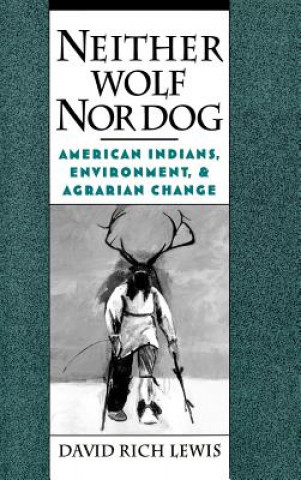
During the nineteenth century, Americans looked to the eventual civilization and assimilation of Native Americans through a process of removal, reservation, and directed culture change. Policies for directed subsistence change and incorporation had far-reaching social and environmental consequences for native peoples and native lands. This study explores the experiences of three groups-Northern Utes, Hupas, and Tohono O'odhams-with settled reservation and allotted agriculture in the nineteenth and twentieth centuries. Each group inhabited a different environment, and their cultural traditions reflected distinct subsistence adaptations to life in the western United States. Each experienced the full weight of federal agrarian policy yet responded differently, in culturally consistent ways, to subsistence change and the resulting social and environmental consequences. Attempts to establish successful agricultural economies ultimately failed as each group reproduced their own cultural values in a diminished and rapidly changing environment. In the end, such policies and agrarian experiences left Indian farmers marginally incorporated and economically dependent.


Sobre o livro
Inglês

Ofereça este livro hoje
É fácil
1 Adicione ao carrinho e escolha Entregar como presente ao finalizar a compra 2 Receberá um vale 3 O livro chegará ao endereço do destinatárioTambém pode estar interessado em




 /
Livro de capa dura
74.96
€
/
Livro de capa dura
74.96
€
 /
Capa mole
108.85
€
/
Capa mole
108.85
€













 /
Capa mole
10.64
€
/
Capa mole
10.64
€



 /
Livro de capa dura
233.83
€
/
Livro de capa dura
233.83
€
Olá! Sou o Libroamiko, o seu conselheiro de livros.
Como posso ajudar?