
 Contacto
 Como comprar
Entrega
Guia de compras
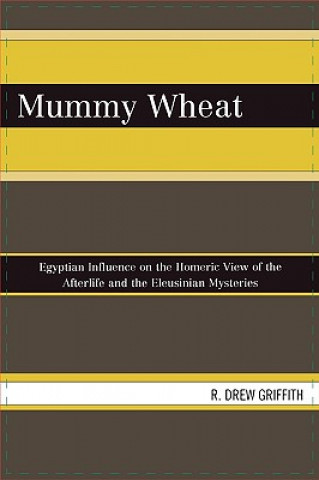
Mummy Wheat
Egyptian Influence on the Homeric View of the Afterlife and the Eleusinian Mysteries
 Inglês
 184 b
184 b
Até 30 dias para devoluções
Os clientes também compraram












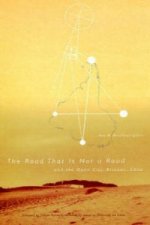
Homer presents a world-view in which death represents the end of consciousness and total annihilation of personhood. Yet in Odyssey, Book Four, he contradicts this by saying that one man at least will not die, but will be transported to Elysium, where he will have a blessed existence forever. In Mummy Wheat R. Drew Griffith argues that this shocking violation of Homer's normal world-view comes from Egypt, where more than anywhere else in the ancient world people firmly believed in life after death. This Egyptian view entered Homer deeply enough that traces of it can be found in many facets of his poetic language. Finally, Griffith argues, the Elysium idea did not die with Homer, but became enshrined in one of the most influential and long-lived religious traditions of Greece: the mysteries of Demeter at Eleusis outside of Athens.


Sobre o livro
Inglês

Ofereça este livro hoje
É fácil
1 Adicione ao carrinho e escolha Entregar como presente ao finalizar a compra 2 Receberá um vale 3 O livro chegará ao endereço do destinatárioTambém pode estar interessado em





 /
/
 Capa mole
 22.52
€
22.52
€







 /
Capa mole
40.39
€
/
Capa mole
40.39
€



Olá! Sou o Libroamiko, o seu conselheiro de livros.
Como posso ajudar?