
 Contacto
 Como comprar
Entrega
Guia de compras
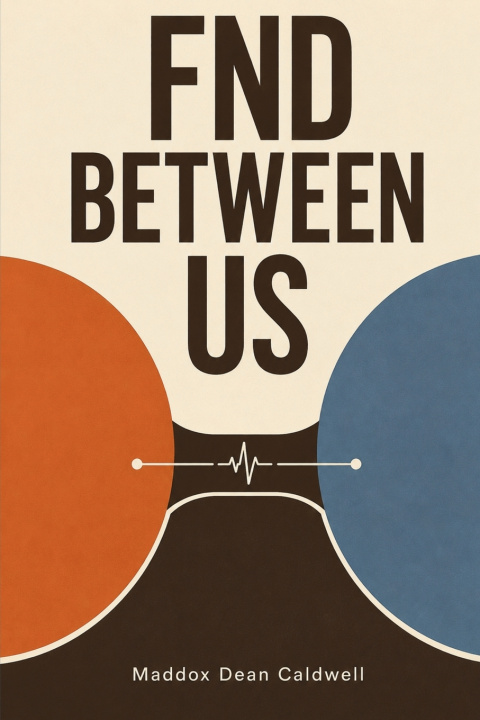
FND Between Us
A Partner's Guide to Functional Neurological Disorder Without Becoming a Nurse, a Sceptic, or a Stranger
 Inglês
 38 b
38 b
 Em breve
 Novo
Novo
Até 30 dias para devoluções

FND can change more than movement, speech or seizures. It can change who answers in the clinic, who cancels work, who decides what is safe, and whether two people still feel like partners.
When FND changes the partnership
FND Between Us is written for partners and spouses of adults living with functional neurological disorder. It explains FND in plain language, shows how to respond to familiar episodes while keeping room for fresh medical judgement, and helps you support recovery without becoming the household's unofficial nurse or treatment manager.
A four-question tool for difficult moments
The Partner Compass asks: Is this safety or support? Is help wanted or actually needed? Does this action preserve or replace my partner's agency? What keeps both people in the relationship, not only the illness? The questions are simple enough to use during an ordinary bad day, but broad enough to guide decisions about functional seizures, appointments, household roles, work, family involvement, intimacy and setbacks.
Along the way, you will build an individual episode plan and a one-page medical brief; learn how to advocate without speaking over your partner; recognise when useful help has quietly become permanent; set partner boundaries without turning them into threats; and make plans that can flex with an unpredictable course.
This book is for readers who love someone with FND and need clearer episode guidance, who are carrying more medical administration or monitoring than they expected, who want to support rehabilitation without running it, or who need a way to talk about exhaustion and limits without treating either person as the problem.
Most FND information is patient-facing. FND Between Us stays with the relationship: the decisions two adults make when symptoms are real, variable and often misunderstood. It does not promise recovery on a timetable. It offers a practical way to keep safety, agency and the relationship in view at the same time.
It gives both people language for decisions that illness can otherwise make for them.


Sobre o livro
Inglês
