
 Contacto
 Como comprar
Entrega
Guia de compras
Fictional Minds
 Inglês
 57 b
57 b
Política de devolução de 30 dias
Os clientes também compraram











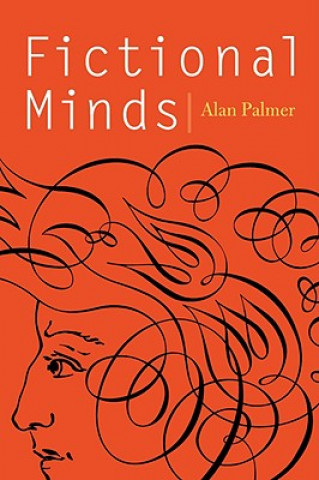
Fictional Minds suggests that readers understand novels primarily by following the functioning of the minds of characters in the novel storyworlds. Despite the importance of this aspect of the reading process, traditional narrative theory does not include a complete and coherent theory of fictional minds. Readers create a continuing consciousness out of scattered references to a particular character and read this consciousness as an "embedded narrative" within the whole narrative of the novel. The combination of these embedded narratives forms the plot. This perspective on narrative enables us to explore hitherto neglected aspects of fictional minds such as dispositions, emotions, and action. It also highlights the social, public, and dialogic mind and the "mind beyond the skin." For example, much of our thought is "intermental," or joint, group, or shared; even our identity is, to an extent, socially distributed. Written in a clear and accessible style, Fictional Minds analyzes constructions of characters' minds in the fictional texts of a wide range of authors, from Aphra Behn and Henry Fielding to Evelyn Waugh and Thomas Pynchon.In its innovative and groundbreaking explorations, this interdisciplinary project also makes substantial use of "real-mind" disciplines such as philosophy, psychology, psycholinguistics, and cognitive science. Alan Palmer is an independent scholar living in London, England. He has a PhD from the University of East London.


Sobre o livro
Inglês

Ofereça este livro hoje
É fácil
1 Adicione ao carrinho e escolha Entregar como presente ao finalizar a compra 2 Receberá um vale 3 O livro chegará ao endereço do destinatárioTambém pode estar interessado em




 /
/
 Capa mole
 34.01
€
34.01
€







 /
Capa mole
27.03
€
/
Capa mole
27.03
€

Olá! Sou o Libroamiko, o seu conselheiro de livros.
Como posso ajudar?