
 Contacto
 Como comprar
Entrega
Guia de compras
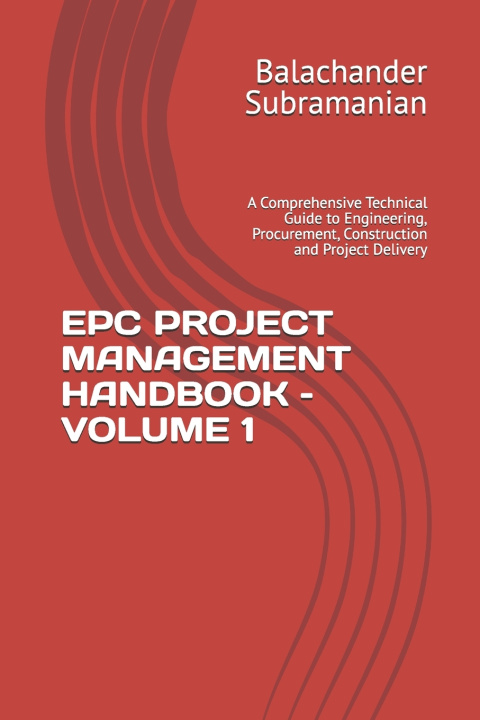
EPC PROJECT MANAGEMENT HANDBOOK - VOLUME 1
A Comprehensive Technical Guide to Engineering, Procurement, Construction and Project Delivery
 Inglês
 91 b
91 b
 Em breve
 Novo
Novo
Até 30 dias para devoluções

Engineering, Procurement and Construction (EPC) projects represent some of the most complex, capital-intensive and technically demanding forms of project delivery in the engineering, construction and infrastructure industries.
An EPC project is fundamentally different from a conventional construction project. The EPC organization is not merely responsible for constructing a facility. Depending on the contractual arrangement, it may be responsible for integrating engineering, procurement, vendor management, subcontracting, construction, testing, pre-commissioning, commissioning support, performance testing, documentation and handover into one coordinated delivery system.
This integrated responsibility creates both opportunity and exposure.
When engineering, procurement and construction are properly integrated, the project can benefit from improved coordination, better schedule optimization, stronger accountability and more effective cost control. However, the same integration means that a decision made in one part of the project can create consequences across the entire delivery chain.
An engineering decision can influence equipment selection, procurement lead time, material quantities, construction methodology, installation sequence, commissioning, cost and schedule. Similarly, procurement decisions can affect construction productivity, commissioning readiness and ultimately the project's completion date.
This is the central management challenge addressed by this handbook.
EPC Is an Integrated Delivery System
The fundamental philosophy of EPC project management is integrated responsibility.
The owner establishes the business and technical requirements, while the EPC contractor converts those requirements into a functioning facility.
The basic transformation is:
Owner's Business Need
↓
Project Requirements
↓
Engineering
↓
Procurement
↓
Construction
↓
Testing & Commissioning
↓
Operational Facility
The objective is therefore not simply to complete engineering, procurement and construction activities independently. The ultimate objective is to deliver an operational asset that satisfies contractual requirements, commercial obligations, technical specifications, quality requirements, safety requirements and required performance within the approved timeframe.
This distinction is fundamental.
A project may report substantial engineering, procurement and construction completion and still fail to achieve operational readiness because critical interfaces, commissioning systems, documentation, performance testing or other completion requirements remain outstanding.
Consequently, the EPC Project Manager must manage the project as one integrated system, rather than as a collection of independent departments.
The Complexity of Modern EPC Projects
EPC delivery is widely used across major industrial and infrastructure developments, including:
- Oil and gas facilities
- Refineries
- Petrochemical plants
- Power generation projects
- Renewable energy facilities
- Water and wastewater treatment plants
- Desalination facilities
- Mining and mineral processing facilities
- Manufacturing facilities
- Data centers
- Pharmaceutical and healthcare facilities
- Transportation infrastructure
- Airports and major terminals
- District cooling and utility systems
- Industrial plants
- Large-scale infrastructure
- Urban development projects


Sobre o livro
Inglês
Categorias

Ofereça este livro hoje
É fácil
1 Adicione ao carrinho e escolha Entregar como presente ao finalizar a compra 2 Receberá um vale 3 O livro chegará ao endereço do destinatárioOlá! Sou o Libroamiko, o seu conselheiro de livros.
Como posso ajudar?