
 Contacto
 Como comprar
Entrega
Guia de compras
Double Agents
 Inglês
 363 b
363 b
Política de devolução de 30 dias
Os clientes também compraram




 /
/
 Capa mole
 19.74
€
19.74
€






 /
Capa mole
27.84
€
/
Capa mole
27.84
€





 /
Capa mole
22.17
€
/
Capa mole
22.17
€


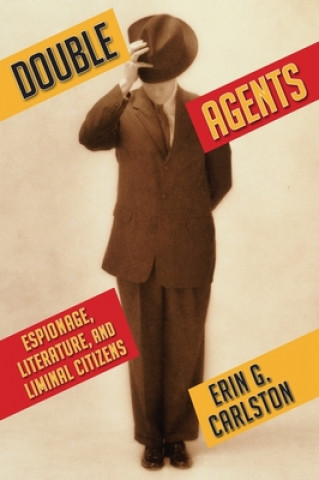
Why were white bourgeois gay male writers so interested in spies, espionage, and treason in the twentieth century? Erin G. Carlston believes such figures and themes were critical to exploring citizenship and its limits, requirements, and possibilities in the modern Western state. Through close readings of Marcel Proust's novels, W. H. Auden's poetry, and Tony Kushner's play Angels in America, which all reference real-life espionaage cases involving Jews, homosexuals, or Communists, Carlston connects gay men's fascination with spying to larger debates about the making and contestation of social identity. Carlston argues that in the modern West, a distinctive position has been assigned to those perceived to be marginal to the nation because of non-visible religious, political, or sexual differences. Because these "invisible Others" existed somewhere between the wholly alien and the fully normative, they evoked acute anxieties about the security and cohesion of the nation-state. Incorporating readings of nonliterary cultural artifacts, such as trial transcripts, into her analysis, Carlston pinpoints moments in which national self-conceptions in France, England, and the United States grew unstable. Concentrating specifically on the Dreyfus affair in France, the defections of Communist spies in the U.K., and the Rosenberg case in the United States, Carlston directly links twentieth-century tensions around citizenship to the social and political concerns of three generations of influential writers.


Sobre o livro
Inglês
Categorias

Ofereça este livro hoje
É fácil
1 Adicione ao carrinho e escolha Entregar como presente ao finalizar a compra 2 Receberá um vale 3 O livro chegará ao endereço do destinatárioTambém pode estar interessado em





 /
Capa mole
23.49
€
/
Capa mole
23.49
€












Olá! Sou o Libroamiko, o seu conselheiro de livros.
Como posso ajudar?