
 Contacto
 Como comprar

Entrega
Guia de compras
An Apple Tree for Tu b'Shevat
 Inglês
 39 b
 Em breve
 Novo
 Data desconhecida
Até 30 dias para devoluções

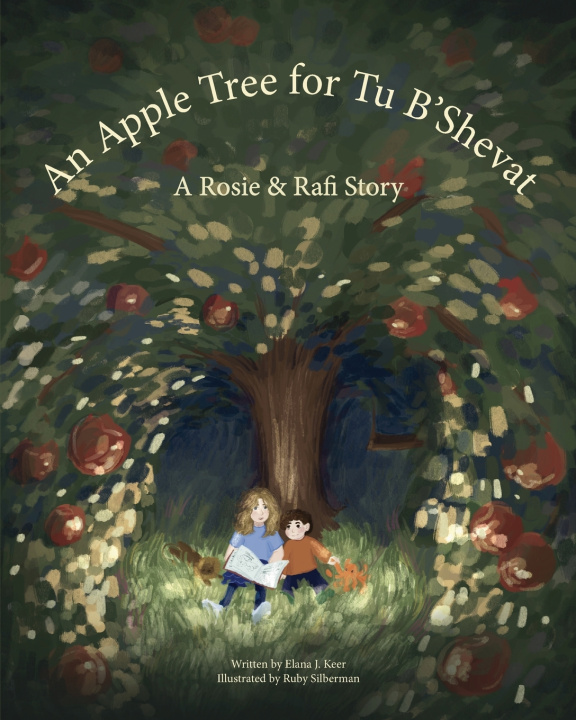
Rosie and Rafi Wallace love the old apple tree in their backyard. When a fierce February storm blows it down, they and their parents--Deena (Ima) and Philip (Daddy) must find ways to cope with the loss. Philip and Deena allow the children to express their changing emotions--from devastation to anger to hope. At the same time, the parents acknowledge their own feelings, allowing us to share this experience along with them. The Wallaces share memories of the tree throughout the year, find a way to repurpose its wood, and then--on the Jewish holiday of Tu b'Shevat (the Jewish Arbor Day)-- plant a new tree for the future.
Rosie and Rafi are typical of many Jewish children in the 21st century United States. These children face different challenges from those of their parents and grandparents: different ways to be part of the Jewish people, to practice Judaism, and to balance the Jewish and secular worlds. Though they live an intentional Jewish life, the Wallace family--like all American Jewish families--must find ways to balance their Jewish practice with ordinary secular activities, a messy juggling act. That context serves as a backdrop to the common childhood problems--loss, jealousy, anger, and more--that Rosie and Rafi face.
The Rosie & Rafi Stories are set in the San Francisco East Bay, which allows the family to observe Jewish holidays in the Mediterranean climate where these traditions originated. The series follows Rosie, Rafi, and their parents as they use Jewish values and practices to cope with universal childhood problems and the specific dilemmas American Jews encounter as a minority. As they grow, the children become more independent, develop their individual Jewish identities, and learn skills to become more resilient.
In this first book, An Apple Tree for Tu b'Shevat, Rosie and Rafi face the first major loss of their lives: the apple tree's demise. Everyone, somewhere in their lifetime, will lose something precious and be changed by the experience. But talking to children about loss is difficult. An Apple Tree for Tu b'Shevat tackles this situation head-on with compassion, understanding and pragmatism, as Deena and Philip guide their children through the grieving process while going through this emotional time themselves.
We hope you recognize yourself and your family when you read these Rosie and Rafi stories. As you meet the Wallace family's community of relatives and friends, we hope that you will discover your own community. Most of all, we hope these books open a door for reflection and conversation on raising Jewish children and living a Jewish life in 21st century America.


Sobre o livro
Inglês

Ofereça este livro hoje
É fácil
1 Adicione ao carrinho e escolha Entregar como presente ao finalizar a compra 2 Receberá um vale 3 O livro chegará ao endereço do destinatárioOlá! Sou o Libroamiko, o seu conselheiro de livros.
Como posso ajudar?