
 Contacto
 Como comprar
Entrega
Guia de compras
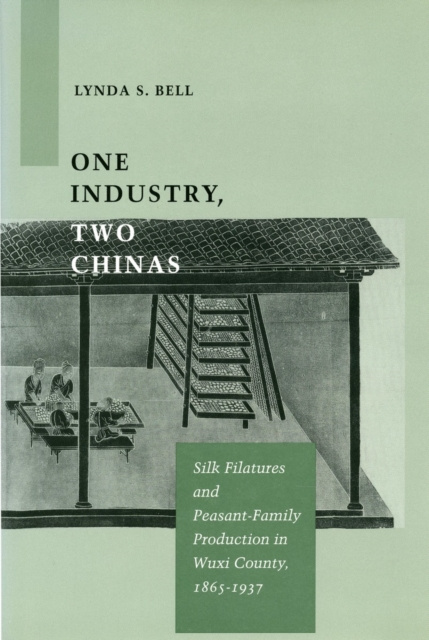
One Industry, Two Chinas
Silk Filatures and Peasant-Family Production in Wuxi County, 1865-1937
 Inglês
 197 b
197 b
Também pode estar interessado em







This book reopens and restructures the grand debate on the nature of economic development in China prior to the Communist revolution. It rejects the debate's old contours in which quantitative data were used to argue that the trajectory of Chinese development was either "e;positive"e; or "e;negative."e; Instead, the author combines quantitative analysis with a detailed study of local politics, culture, and gender to explain the shaping of the modern Chinese economy. Focusing on silk production in Wuxi county in the Yangzi Delta, the author argues that local elites used social dominance to build a silk industry continuum-"e;one industry"e;-fusing modern factory production with older patterns of peasant-family farming. The resulting social configuration was "e;two Chinas"e;-one populated by wealthy urban elites transformed into a new, silk-industry bourgeoisie, and the other by peasant families whose women became the workforce for cocoon production. The author describes the roles of merchant guilds and other elite organizations established to protect the silk industry from outside competition and excessive taxation; the methods and styles of elite networking and investment in building modern silk filatures; and the roles of women-elite women in sericulture reform and peasant women in silkworm raising. She also reveals the cooperation between silk-industry elites and Nationalist government officials in the 1920's and 1930's, which resulted in an industry that was virtually state-directed and designed to pass downward to the peasants the costs of building more competitive silk filatures. This discovery challenges the prevailing tendency to think in terms of radical ruptures between Nationalist and Communist rule.


Sobre o livro
Inglês
Categorias

Ofereça este livro hoje
É fácil
1 Adicione ao carrinho e escolha Entregar como presente ao finalizar a compra 2 Receberá um vale 3 O livro chegará ao endereço do destinatárioOlá! Sou o Libroamiko, o seu conselheiro de livros.
Como posso ajudar?